

Our Work

July 28, 2026
We're hiring a Network Director!
The Network Director is a key part of the Program Directors team - with the Executive Director, Director of Communications and Research, and the Federal Policy Director - which lead Coming Clean’s Programs Department. The Network Director plays an important role in the leadership of the organization, helping to lead the organization and guide programmatic strategy. The Network Director also oversees the work of Coming Clean’s contracted leadership, teams, initiatives, and campaigns as well as provides oversight for the whole of the Coming Clean Network. The Network Director organizes and manages the network, onboarding new members, tracking membership data, and facilitates collaborative membership spaces.
Read More
July 19, 2026
Serious Chemical Accidents Are Rising in the U.S.—and Getting More Dangerous
Chemical accidents killed 48 people in 2025—almost double 2024’s toll—and seriously injured 142, according to a new analysis by the Wall St. Journal of data submitted to the Chemical Safety Board. The Coalition to Prevent Chemical Disasters, which tracks news reports of chemical incidents, counts about twice as many as the CSB between 2021 and 2025, since the CSB doesn’t require reporting of accidents that resulted in just shelter-in-place or evacuation orders, for instance.
Read More
July 2, 2026
EPA Doing Less With Less: slashing science staff; dismissing hazard data; weakening pesticide regulations; compromising health protections
This summer, the U.S. Environmental Protection Agency (EPA) announced that it was expanding its list of “alternative test methods” that could be used to assess the health risks of chemicals, including pesticides, that end up in our air, water and food. Without frameworks in place to prevent backsliding, this will result in weaker health protections from harmful chemicals. Scientists within the Coming Clean network, allied with environmental health professionals and farmworker groups, have been sounding alarm bells about the irresponsible use of NAMs for many years. Now, scientists across our organizations must form a united front against expanded use of NAMs to replace proven science, before more regulatory protections disappear.
Read More
June 25, 2026
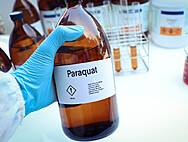
Supreme Court decides to protect pesticide profits over human health
“Today’s Supreme Court decision is more proof that pesticide corporations have too much influence in government. Bayer made over 11 billion dollars from pesticide sales in 2023, and last year alone, spent over 9 million dollars on lobbying for policies that protect pesticide profits instead of basic human health. If you use a product that fails to warn about its ingredients' documented links to cancer, reproductive harm, or neurological conditions, and you develop health complications after using that product, you deserve your day in court. Especially since EPA has approved hundreds of pesticide active ingredients that likely or possibly cause cancer. Congress has the power to protect consumers’ right to sue over pesticide harms. The people have had enough of agrochemical corporate influence in Washington.”
Read More
May 31, 2026
Back-to-Back Chemical Disasters Strike as Trump Seeks to Roll Back Safety Rules
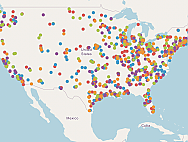
Two major incidents at chemical plants within the past week sent tens of thousands fleeing from their homes in California and left 11 people dead in Washington. But despite a spate of similar incidents over the last year, the Trump Administration is planning to roll back federal regulations designed to prevent similar disasters. Experts and environmental groups have warned that such a move would make chemical accidents far more common. According to the Coalition to Prevent Chemical Disasters—a group of environmental justice, labor, public health, national security, and environmental organizations—at least 215 dangerous chemical incidents occurred in 2025, including fires, explosions, and toxic releases. It says there have been at least 1,446 hazardous chemical incidents in the U.S. since 2021, an average of 5 incidents per week.
May 29, 2026
Tragic deaths in Washington, massive evacuation in California show Trump Environmental Protection Agency is failing to keep Americans safe from chemical disasters
“The fatal and shocking incidents communities have faced in recent days demonstrate the urgent need to implement and build on existing regulatory safeguards so communities near chemical facilities are protected from chemical disasters. But, instead of protecting workers and families from death, injury, and illness, Trump’s EPA is putting communities at greater risk of harm by weakening the nation’s primary defense against chemical facility incidents. The Risk Management Program (RMP) protects against catastrophic industrial chemical releases, fires, and explosions through preventative safety measures. The Trump administration is attempting to weaken this rule. Every chemical incident, every life lost, and every evacuation is one too many. Each chemical emergency makes clear the need to strengthen, not dismantle, protections against chemical disasters before more workers, families, and communities are harmed.”
Read More
May 14, 2026
Federal Chemical Safety Board Sends Warning on Trump Disaster Policy
For a year now, the Chemical Safety Board, a small independent agency that investigates chemical spills and other disasters has faced elimination under President Trump’s budget cuts.That hasn’t stopped the board from taking on the Trump administration. The agency is now opposing an attempt to roll back new chemical disaster rules that were introduced under former President Joseph R. Biden and aimed to prevent accidents at thousands of industrial facilities. The Chemical Safety Board has been taking the lead in investigating accidents, including a chemical leak at a plant in West Virginia last month that killed two people. Maya Nye, who grew up about a mile from the plant and whose family was forced to shelter in place as the emergency unfolded, described the accident as one of many over the years across the industrial corridor along the Kanawha River near Charleston, a hub for chemical manufacturing that residents call “Chemical Valley.” “We’ve been kicking and screaming for years calling for improvements, protections under these rules. And now it feels like we’re taking 10 steps back,” said Dr. Nye, who is federal policy director for Coming Clean, a nonprofit organization that advocates for policies to prevent disasters and reduce toxic pollution.
Read More